

Welcome to CropVoice University
The information on this page is gathered from public sources and informed by InnerPlant’s data and experts to create a one-stop, authoritative source on crop disease.
White Mold
White mold, caused by the pathogen Sclerotinia sclerotiorum, is a fungus that can infect a wide range of broadleaf crops, including soybeans. This fungus is most common in regions that see cool, wet weather during flowering and dense canopies. These include parts of the Midwest, particularly the Upper Midwest.
Disease Cycle
- Sclerotia persist in soil
- Sclerotia germinate and form apothecia
- Apothecia release ascospores.
- Ascospores infect senescing petals rich in pectin (R1-R3). Infection spreads into stem nodes, triggering plant defense.
- Signs and symptoms appear: white mycelium, sclerotia, bleached stem lesions, wilt, lodging, plant death resulting in no seeds or poor pod fill.
- Sclerotia develop in or on stems and pods; drop to soil at harvest where they can persist up to 10 years
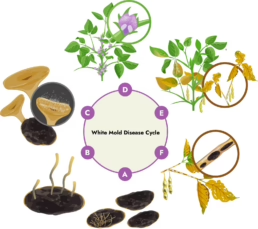
White mold survives in the soil as hardened, densely packed fungal tissue structures called sclerotia. These structures form inside or on infected soybean stems and drop into the soil where they can persist for 10 or more years.
When conditions are right, sclerotia release apothecia—small, mushroom-like structures that release airborne spores (ascospores) that typically infect the plant through senescing soybean flowers. Because sclerotia can produce multiple flushes of apothecia, infection pressure can persist through the flowering window.
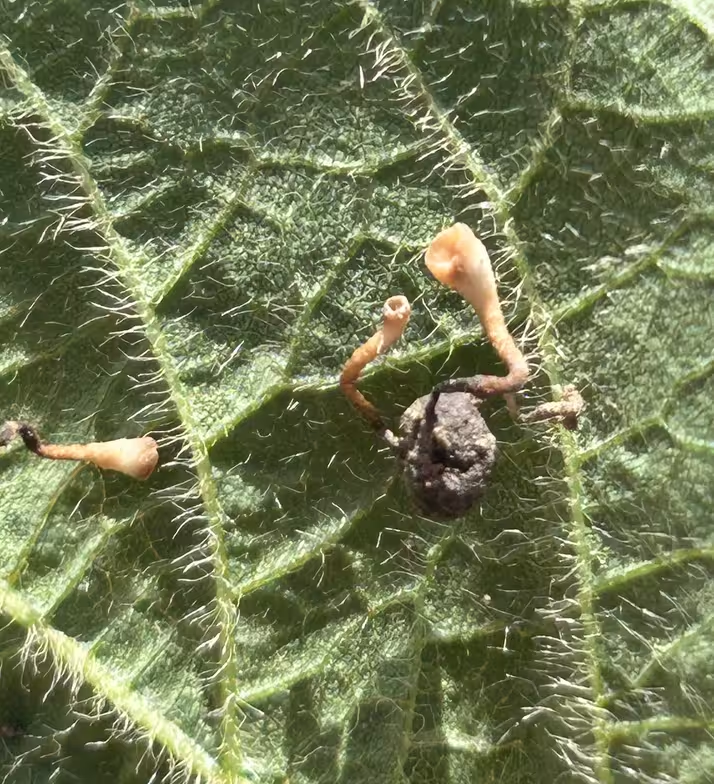
Once spores colonize the internal stem or branch tissue, the pathogen destroys girdles the stem or branch, cutting off water and nutrient flow. Visible symptoms like wilting and signs like white mycelium typically appear 2-3 weeks after infection, which may lead to plant death.
White mold thrives in high-yield environments, specifically fields with a high plant population (particularly bush-type varieties), dense canopy, narrow row spacing, and moist soil. The crop is at highest risk when cool to moderate temperatures below 85 °F and sustained soil moisture coincide with flowering and canopy closure. A dense canopy creates its own humid microclimate, ideal for apothecia formation and infection.
Once spores colonize the internal stem or branch tissue, the pathogen destroys girdles the stem or branch, cutting off water and nutrient flow. Visible symptoms like wilting and signs like white mycelium typically appear 2-3 weeks after infection, which may lead to plant death.
White mold thrives in high-yield environments, specifically fields with a high plant population (particularly bush-type varieties), dense canopy, narrow row spacing, and moist soil. The crop is at highest risk when cool to moderate temperatures below 85 °F and sustained soil moisture coincide with flowering and canopy closure. A dense canopy creates its own humid microclimate, ideal for apothecia formation and infection.
Impact
White mold is one of the most economically destructive soybean diseases. In 2025, white mold was estimated to reduce U.S. soybean production by 17.7M bushels, meaning farmers lost over $184M in farm-gate value (based on the USDA’s 2025/26 marketing year average price).
Because white mold impacts seed quality, volume and yield, it doesn’t follow a simple straight-line yield loss relationship. Earlier infections on the lower stem cause heavier yield loss than later infection of the branches. Reduced seed fill (“shrunken” seeds) and seeds infected in pods (“mummy” seeds) can lead to lower crop yield and grade. Sclerotia contamination in grain loads can create dockage at the elevator.
Yield loss projections:
- 0–40% DIX ➜ minimal yield loss
- 40–65% DIX ➜ measurable yield decline
- Above ~65% DIX ➜ ~10 bushels lost/acre for every 10% DIX increase
*Disease severity index (DIX): a 0–100 score researchers use to rate white mold in a field that combines how many plants are infected with severity of each infection. Zero means no white mold, 100 means every plant is dead.
Managing White Mold
Because infected plants produce new sclerotia that can persist for a decade, eradication is difficult. Farmers will need a long-term management strategy instead of a single-season fix.
Before planting: Reduce your risk
Consider each field’s history with white mold, including observations of disease hot pots, yield maps, or aerial imagery. If you do have fields with a history of white mold, there are a few steps you can take to reduce your risk.
Wider row spacing (like 30”) can help keep the canopy open to reduce the moist microclimate where white mold thrives. Reducing seeding rate can also allow for greater airflow.
If you had severe white mold infection in previous seasons, post-harvest application of biological control may be worth considering to break down sclerotia and thus reduce infection in future seasons.
Unfortunately, no variety of soybean is fully resistant to white mold. Varieties differ in susceptibility, so if white mold is a problem in your fields, it may be worth considering less-susceptible varieties.
Vegetative stages (V1-V6): Look for sclerotia
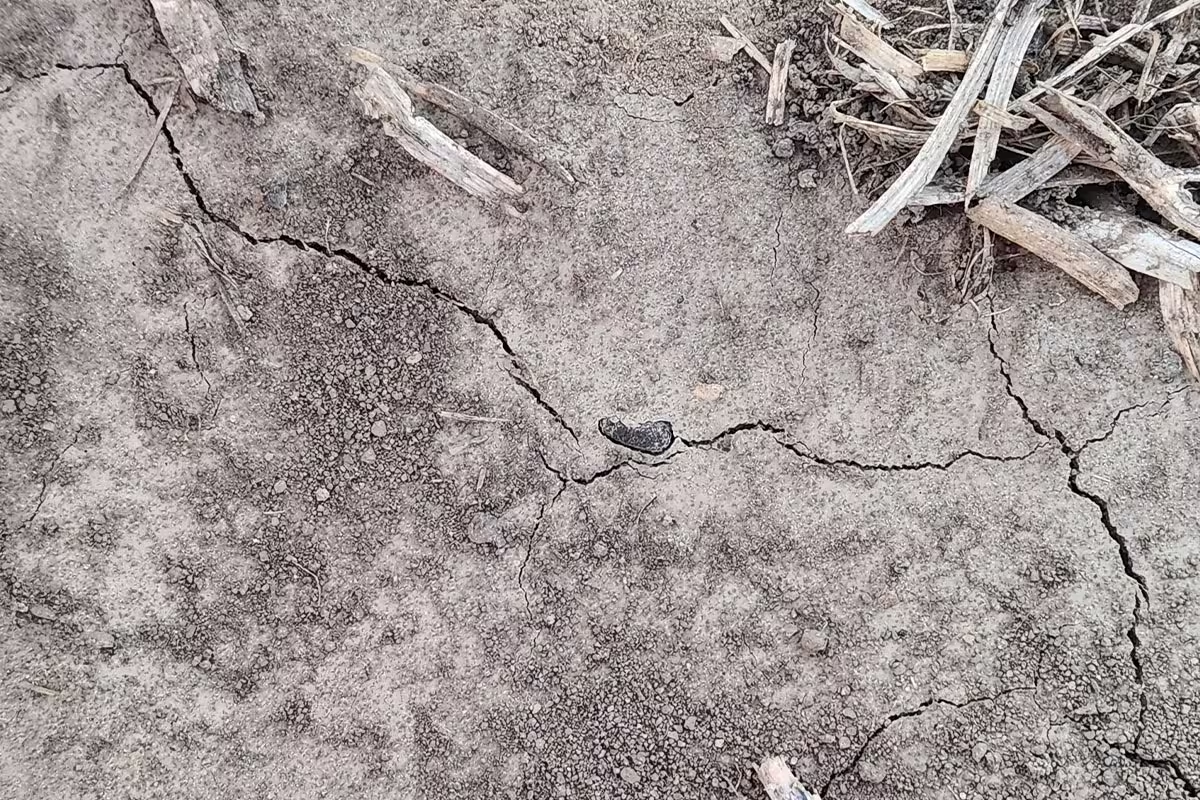
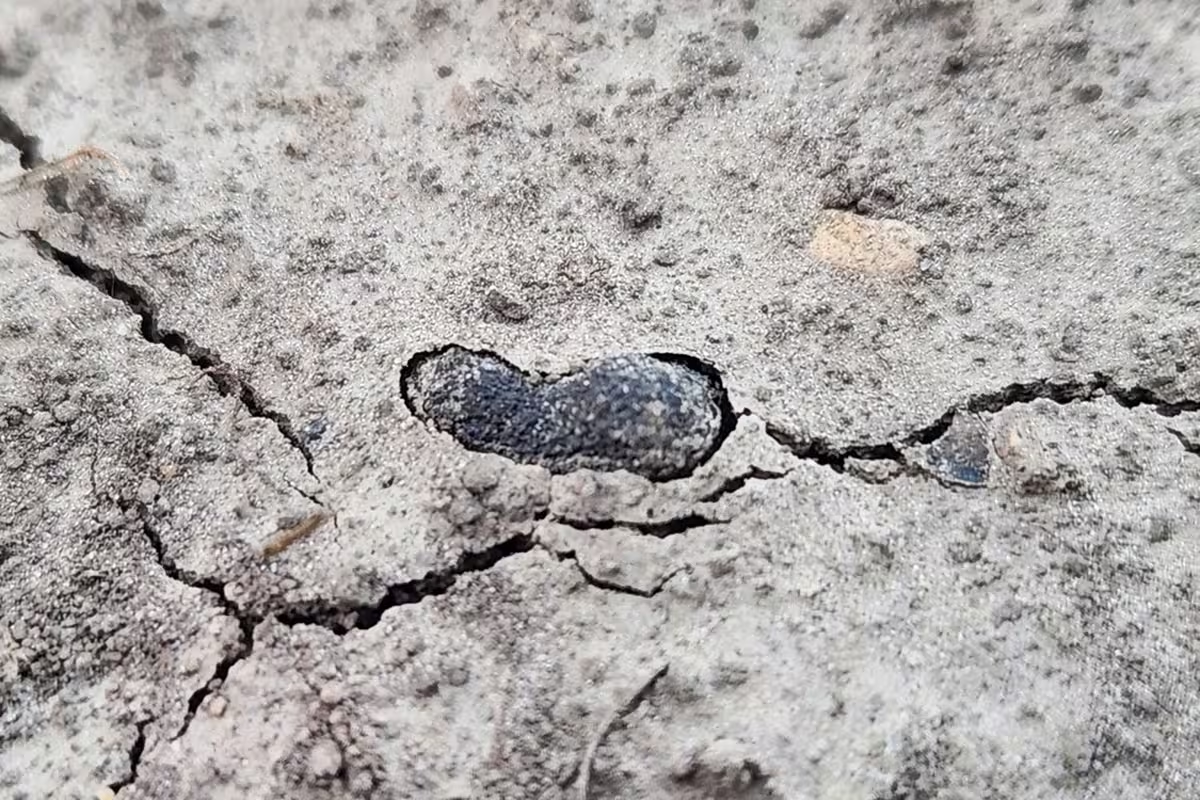
While you are scouting, closely look at the soil surface to spot any sclerotia or emerging apothecia, which will help identify potential hotspots later in the season. Note that it is very easy to miss sclerotia since they are small, dark structures that can easily blend into the soil.
Early Reproductive (R1-R3): Consider CropVoice for early detection
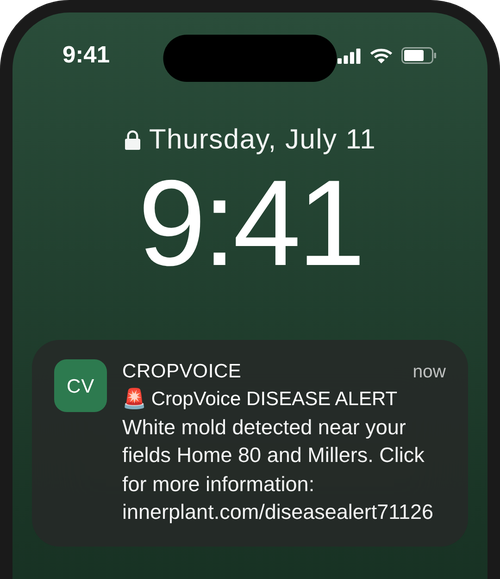
One simple way to detect white mold before symptoms are visible is by using CropVoice. CropVoice scouting reports combine daily monitoring of InnerSoy™ (soybean plants engineered to signal when infected by fungus, like white mold) with advanced models to forecast white mold risk in your fields. CropVoice sends you a Disease Alert when there is confirmed white mold infection near your fields.
If white mold risk is high in your fields, the critical window to apply fungicide is between R1 and R3, when the plant is most vulnerable as flowers begin to senesce. Not all fungicides are created equal when it comes to efficacy against white mold, so check which products are most effective here.
Late Reproductive (R4-R6): Monitor symptoms and track hotspots for next year
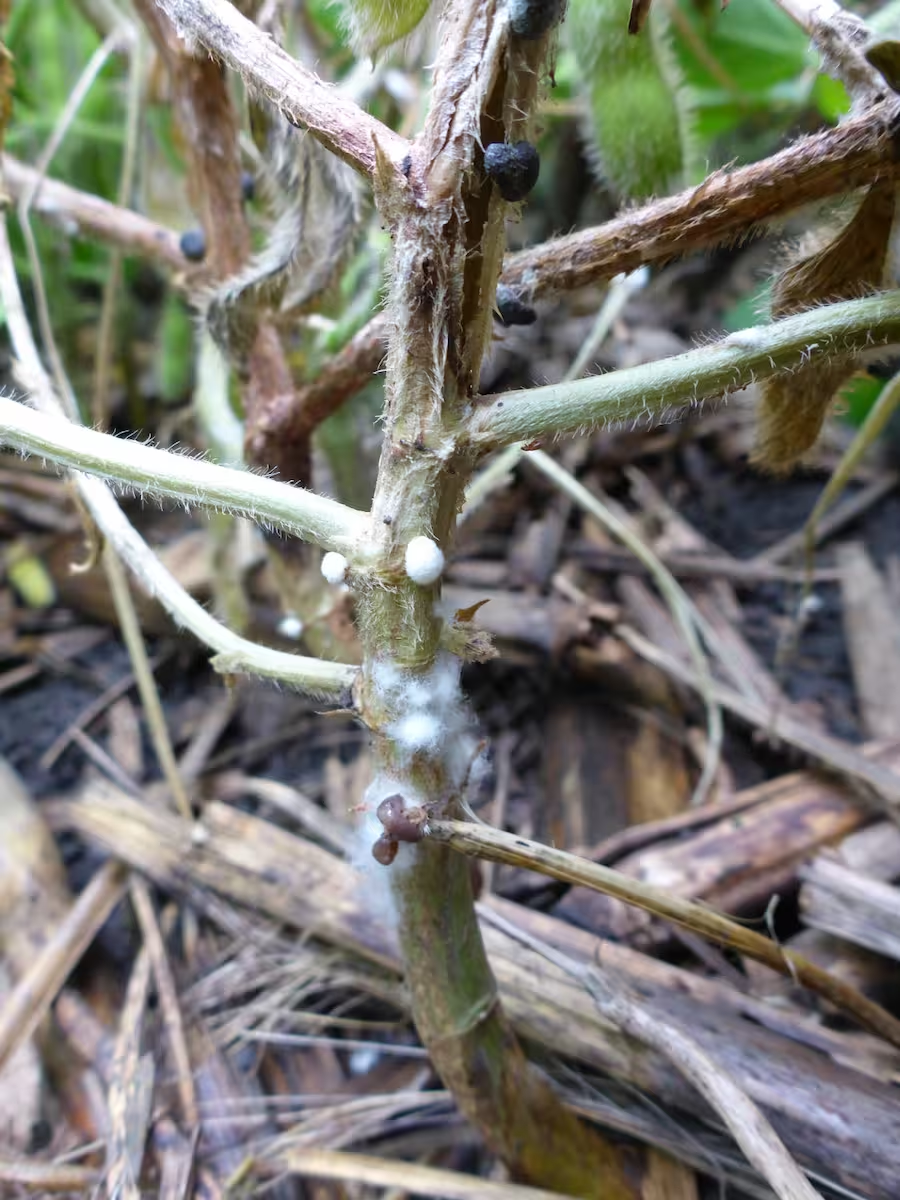
Look for signs and symptoms like leaf wilting, bleached (white) stems or white mycelium that suggest active infection. The presence of sclerotia and mycelia (white fluffy growth) on the stems differentiates white mold from brown stem rot, sudden death syndrome, or stem canker.
Once signs and symptoms are visible, it is too late for a fungicide application to effectively control white mold. Make sure to note the GPS coordinates of white mold hotspots for your next soybean rotation.
1 Renfroe-Becton, Hope, Maria Oros, Adam M. Byrne, Martin I. Chilvers, Nathan Kleczewski, Daren S. Mueller, Kiersten A. Wise, and Damon L. Smith. 2026. “Meta-Analytic and Economic Evaluation of Fungicide Programs Applied for Managing Sclerotinia Stem Rot in Soybean Across the North Central United States.” PhytoFrontiers™ 6 (1). https://doi.org/10.1094/PHYTOFR-07-25-0068-R.
If you’d like to see how CropVoice can help your farm take control of disease, call (877) 418-2062 or send us a note at cropvoice@innerplant.com.
If you’d like to see how CropVoice can help your farm take control of disease, call (877) 418-2062 or send us a note at cropvoice@innerplant.com.